Quick answer
Is the JUMP show worth seeing in Seoul, and is it a good night with kids?
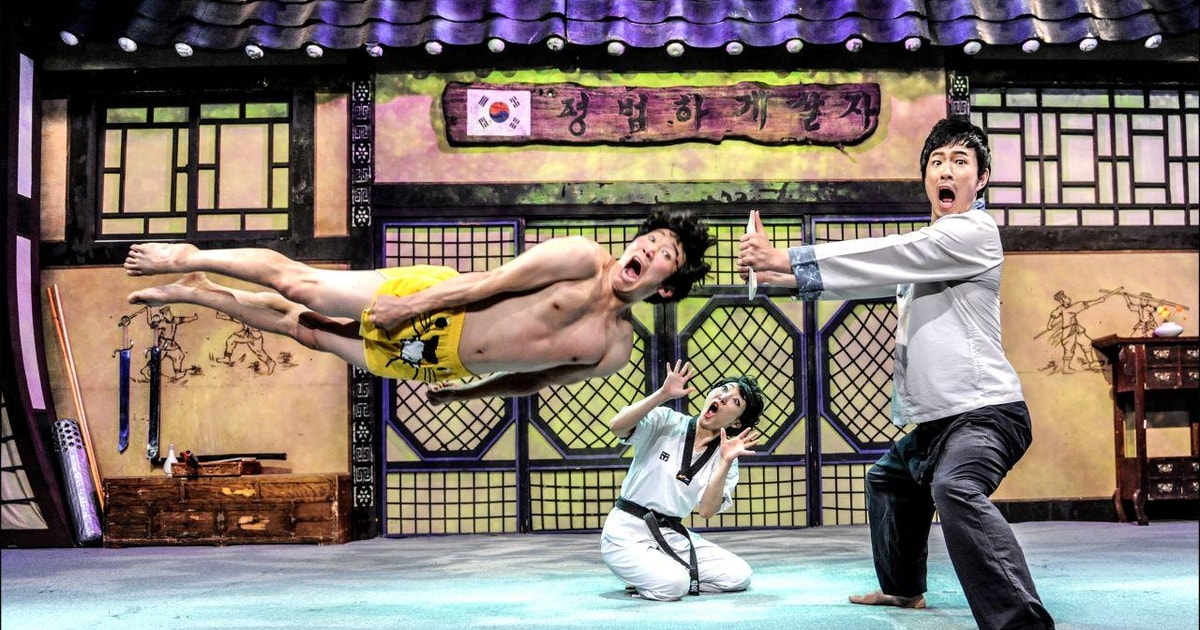
Yes, if you want a lively night in Seoul that needs no Korean and no subtitles. The booking page describes a live show that combines martial arts, comedy and acrobatics around the misadventures of an extraordinary family, and nobody on stage speaks. Wikipedia says it was first performed in 2003 and has passed 7,000 performances. It is a plain, physical comedy, not a refined theatre piece, so go for the laughs. Children who enjoy slapstick are the natural audience; the age notes on the booking page come first.
Five things worth knowing first
Nothing to translate
The show is non-verbal, and Wikipedia files it under physical theatre and nonverbal communication. A visitor with no Korean follows the story through movement, props and timing alone, which is why this one suits mixed groups of nationalities.
Fights played for laughs
Martial arts are the engine, yet the mood is comic. Slapstick, which Wikipedia defines as exaggerated physical action, is the tone: expect pratfalls and mock combat rather than anything grim.
You may be picked
Reviewers note that audience members get picked on. Treat that as a possible bit of fun rather than a promise, and mention it to anyone in your party who dislikes being the centre of attention.
Children and age rules
No dialogue makes it easy for young visitors who cannot read subtitles. The organiser sets age limits and sellers can differ, so look for the age notes on the page before you bring small children.
Access
Wheelchair access is listed for this ticket. For particular seating, ask GetYourGuide about your date before paying.
What sits behind the show
Seven things behind the kicks and the laughs
The booking page tells you what you are buying. These panels add where the show comes from and what its martial arts and comedy are, with every claim taken from Wikipedia and named as such.
-
The start
A show first performed in 2003
The English Wikipedia says the show was first performed in 2003 and names a creator and a production company. It reports more than 7,000 performances and over three million tickets sold, and notes that more than 70 percent of its domestic visitors are foreigners.
-
The household
A family, a suitor and two clumsy burglars
Wikipedia summarises the story as a Korean family in Seoul preparing for a suitor for the daughter. A drunken uncle spoils the plan first and two bungling burglars spoil it next. The suitor is a meek young man until his glasses come off. The cast list names roles such as Grandfather, Father, Mother and Uncle.
-
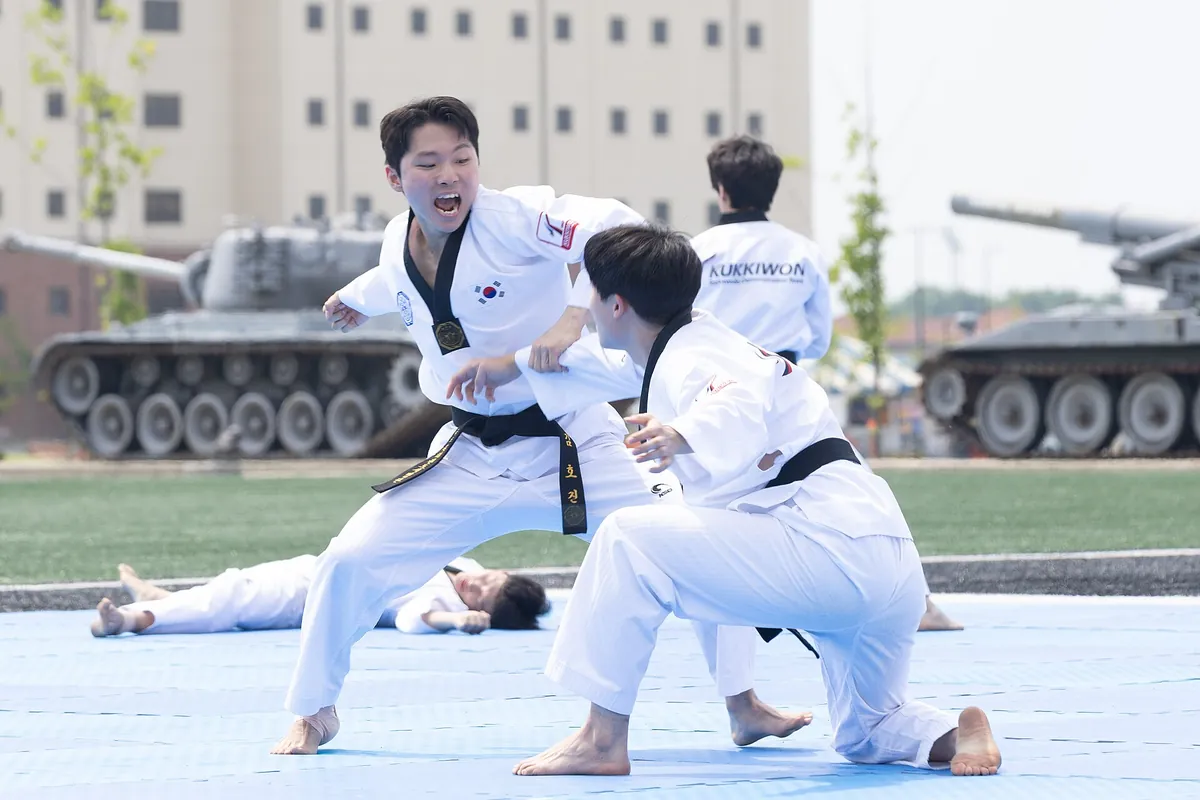
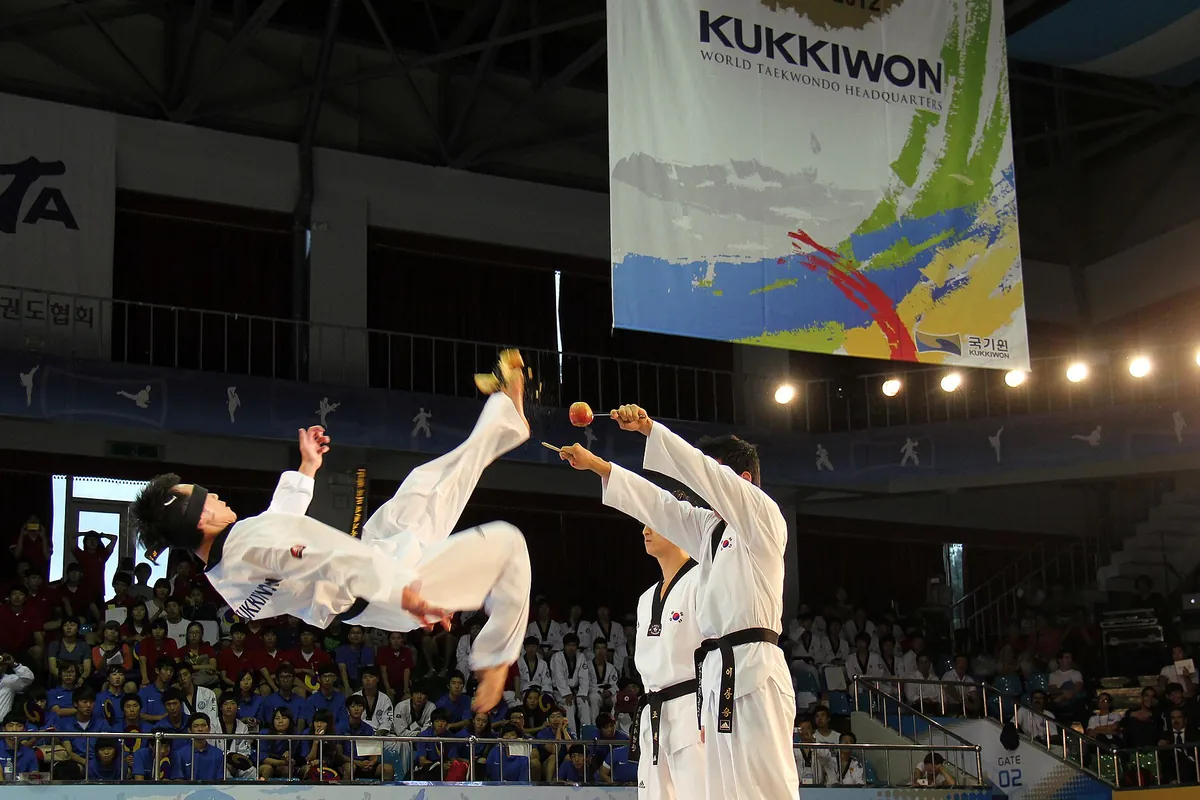
Two demonstration performers squaring up on a mat. Taekwondo
The high kick that crowds expect
Wikipedia describes taekwondo as a Korean martial art that relies mainly on kicks, with head-height, jumping and spinning kicks among its signatures. It was developed in the 1940s and 1950s and has been an Olympic sparring sport since 2000. The booking page does not list the show's fighting styles, so this explains the art, not the script.
-
Taekkyeon
The older, looser Korean art
Taekkyeon is another traditional Korean martial art. Wikipedia says its triangular footwork and its rhythmic, knee-bending movement give it a dance-like look, and that in 2011 UNESCO made it the first martial art on its intangible heritage list.
-
Slapstick
Comedy that needs no words
Wikipedia traces slapstick to the batacchio, a two-slat stick of commedia dell'arte that made a loud smack with little force. It adds that Fred Karno developed dialogue-free sketch comedy in the 1890s and that silent-film stars made the style famous. A show without dialogue sits in that long line.
-

The Edinburgh Fringe, where Wikipedia says the show won a box-office award in 2005. Abroad
From Seoul to the Edinburgh Fringe and beyond
Wikipedia reports a run at the 2005 Edinburgh Fringe Festival, where the show won the top box-office award, and later runs in cities including London, New York, Bangkok, Hong Kong, Madrid and Singapore. The Fringe itself, Wikipedia says, is the world's largest performing arts festival.
-
The audience
Why a silent show suits travellers
With no dialogue to translate, the audience can be as mixed as Wikipedia's foreign-visitor figure suggests. Everybody watches the same kicks, falls and glances. That is the whole case for booking it as a first Seoul night out.
Sources: the English Wikipedia articles on the show, taekwondo, taekkyeon, Korean martial arts, slapstick and the Edinburgh Festival Fringe. Scenes, cast and running order change, so none appear here.
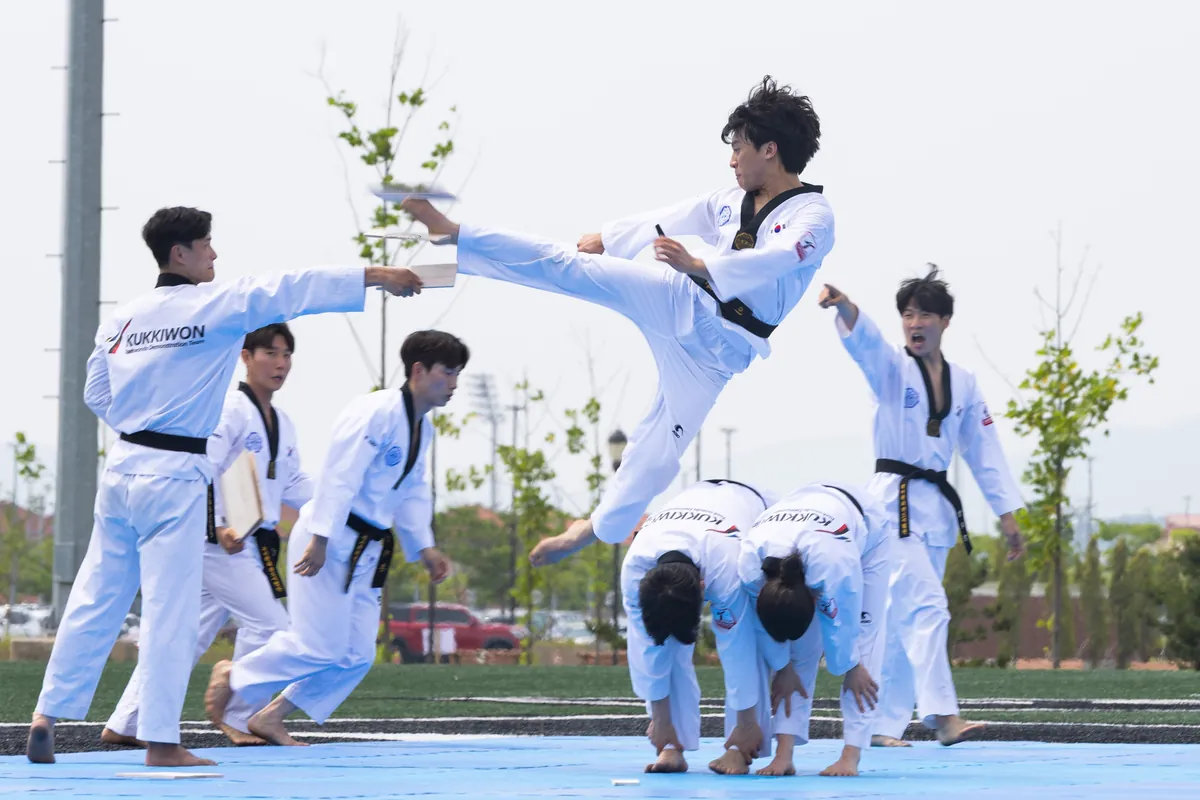
From the dojang to the stage
Three traditions folded into one comic evening
What the booking covers
What your booking includes and leaves out
Everything here comes from the booking page. If your confirmation differs, believe the confirmation.
Open the calendar ↗Change the display currency to your own if you wish; the checkout states the exact amount.
- The show
- A non-verbal live performance that combines martial arts, comedy and acrobatics, following the misadventures of an extraordinary family.
- Date and slot
- Your ticket works for the date and slot you choose in the calendar, and the confirmation email repeats both.
- Language
- There is no dialogue, so you need no Korean and no translation app. Your confirmation email is the only text you have to read.
- Access
- Wheelchair access is listed. The organiser decides seat positions.
- Audience
- Reviewers say members of the audience are picked on. It reads as part of the comedy rather than a rule.
- Not mentioned
- The booking page says nothing about food, drink or travel to the theatre, so plan those separately. Wikipedia places the show in a private theatre in Seoul; your confirmation gives the address.
Laughs or street food
A martial-arts comedy show or a street-food night: which Seoul evening?
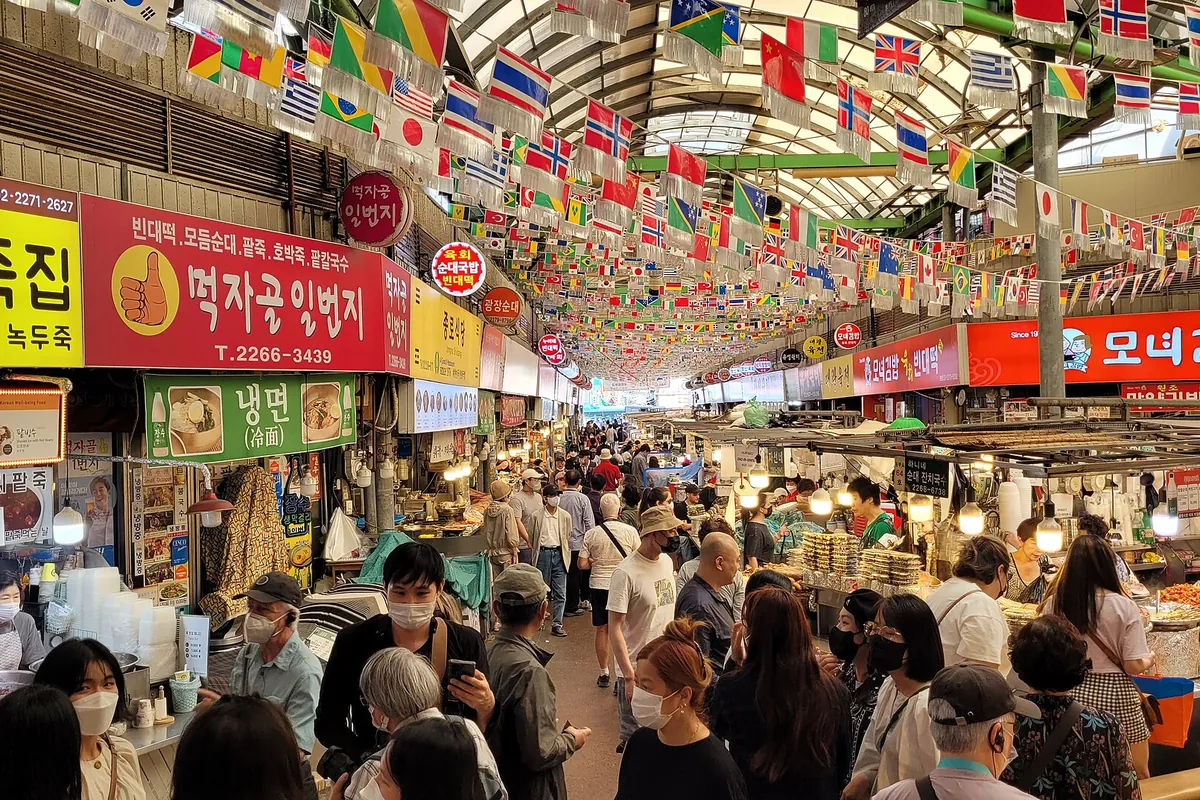
Book the show, then fill the other hours
Other Seoul plans worth setting beside it
The show is the evening. Three more Seoul outings sit below it: a market food tour, a day through the palace quarter and a day trip to an island. All four open on GetYourGuide.
- See dates ↗
Comic martial arts show ticket
A live family comedy of martial arts, acrobatics and slapstick with no dialogue, valid for the date and time you choose.
- See dates ↗
Seoul street food market tour
A guided food walk through a market, going by its title and summary: up to ten market dishes and some lively drinking games with the group. The other way to spend a Seoul evening.
- See dates ↗
Palace, hanok village and Gwangjang market
A long narrated day across the northern half of the city, taking in a royal palace, a hanok quarter and a food market. A natural partner for a night at the theatre.
- See dates ↗
Nami Island and Garden of Morning Calm
A full day outside the city in Gapyeong, with tree-lined island paths and a large garden, plus an optional rail bike. Pick it for a day when no show is booked.
More to book in Seoul
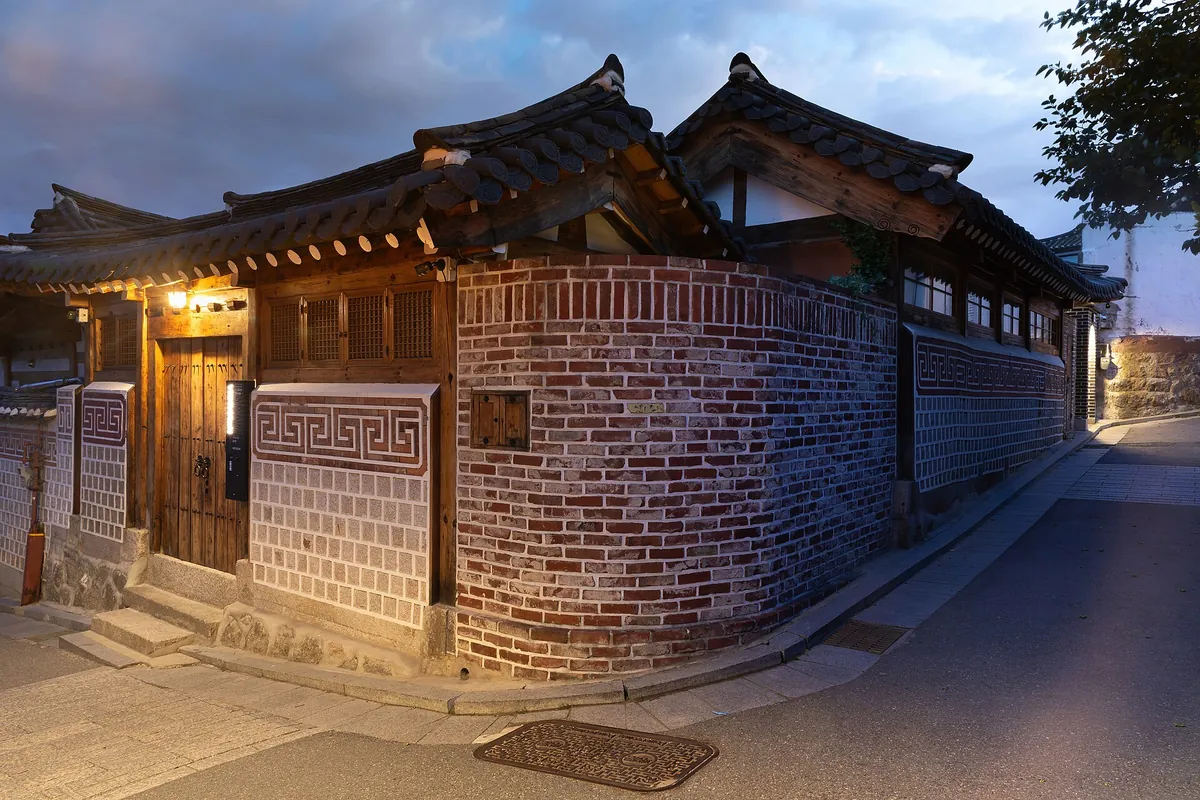
Setting up your evening
Setting up your evening
Pick the date
Open the calendar, choose the night that suits your trip and read the slots shown for it.
Check the slot
Each date has its own slots. The confirmation email repeats the one you chose, so keep that email close.
Think about eating
The booking page does not mention a meal. Decide whether to eat before or after the show and book accordingly.
Brief the group
If someone dreads being picked on, say that reviewers report it happening and let them choose their seat.
Children
Look at the age notes on your booking page. No dialogue helps children who cannot read, though the organiser sets the rules.
Wheelchairs
Wheelchair access is listed for the ticket. Ask GetYourGuide about seating for your date.
Know the address
The theatre address arrives in your confirmation. Save it offline before you leave your hotel.
Pair it
Put the show on one evening and a market food tour or a palace day on another; the cards above list both.
Kicks, markets and Seoul streets in photographs
Kicks, markets and Seoul streets in photographs
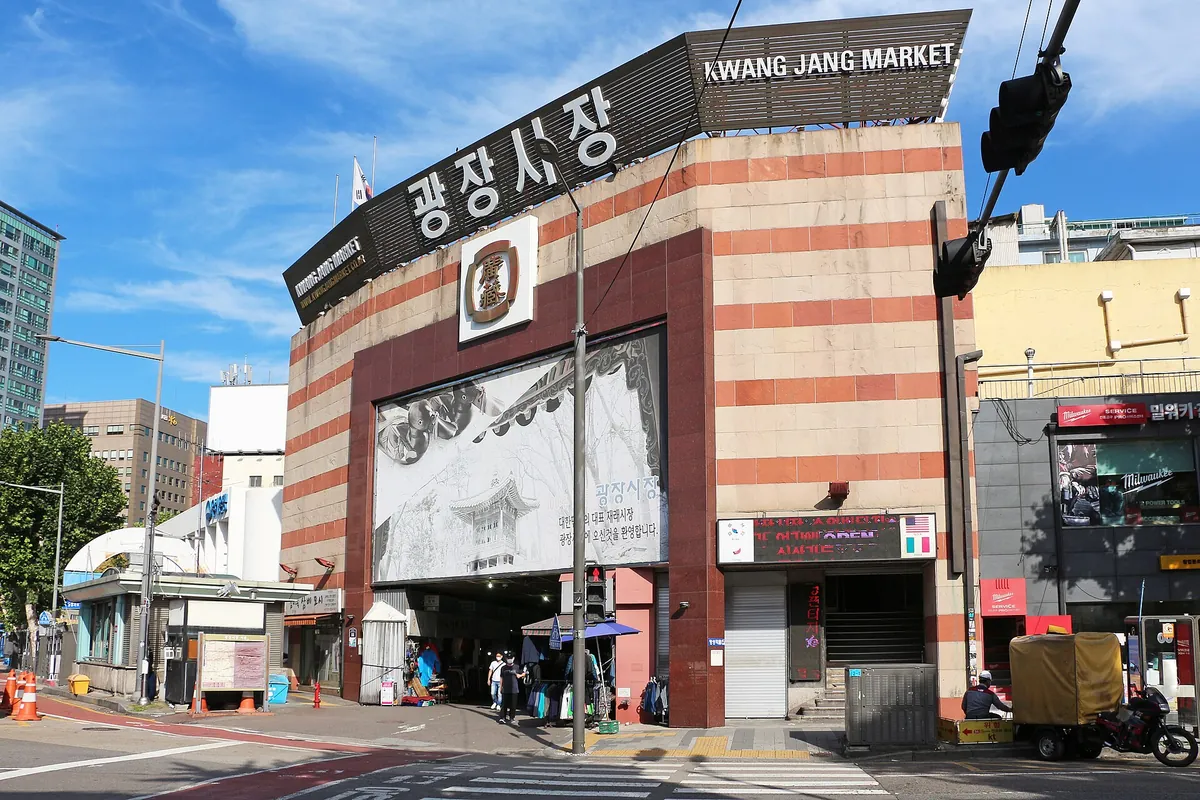
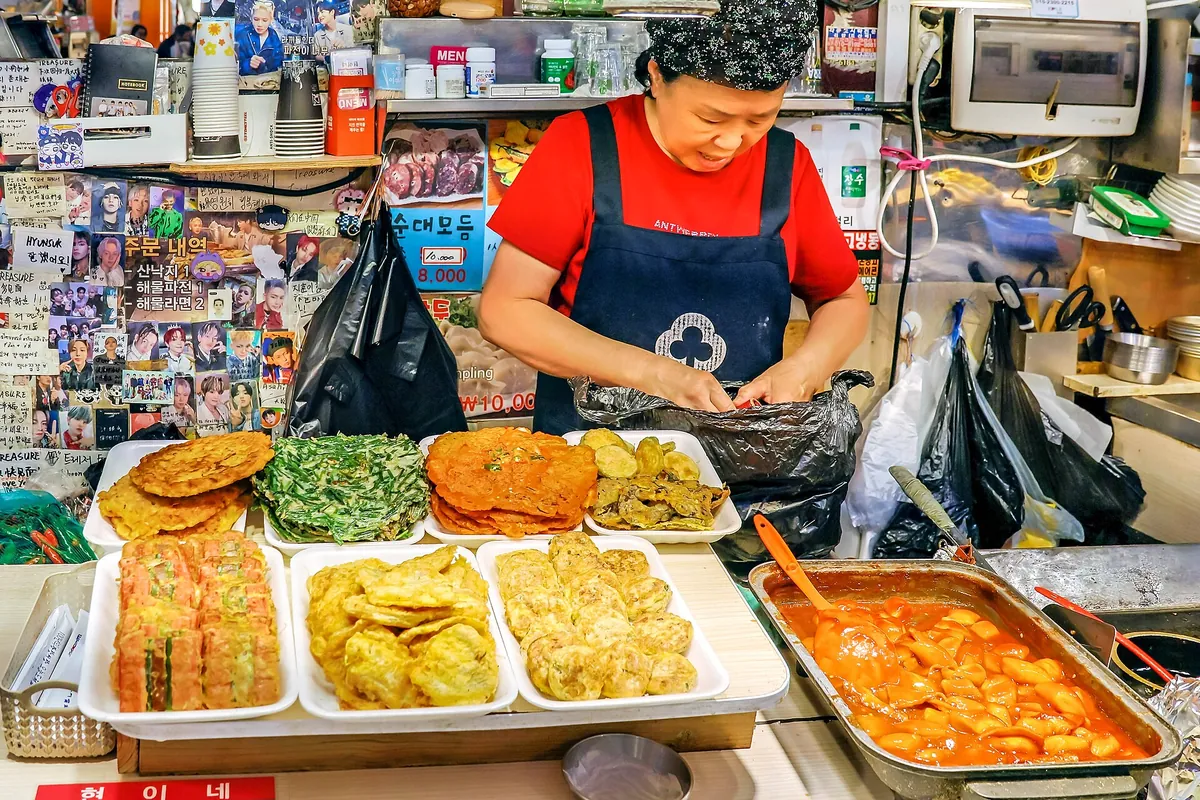
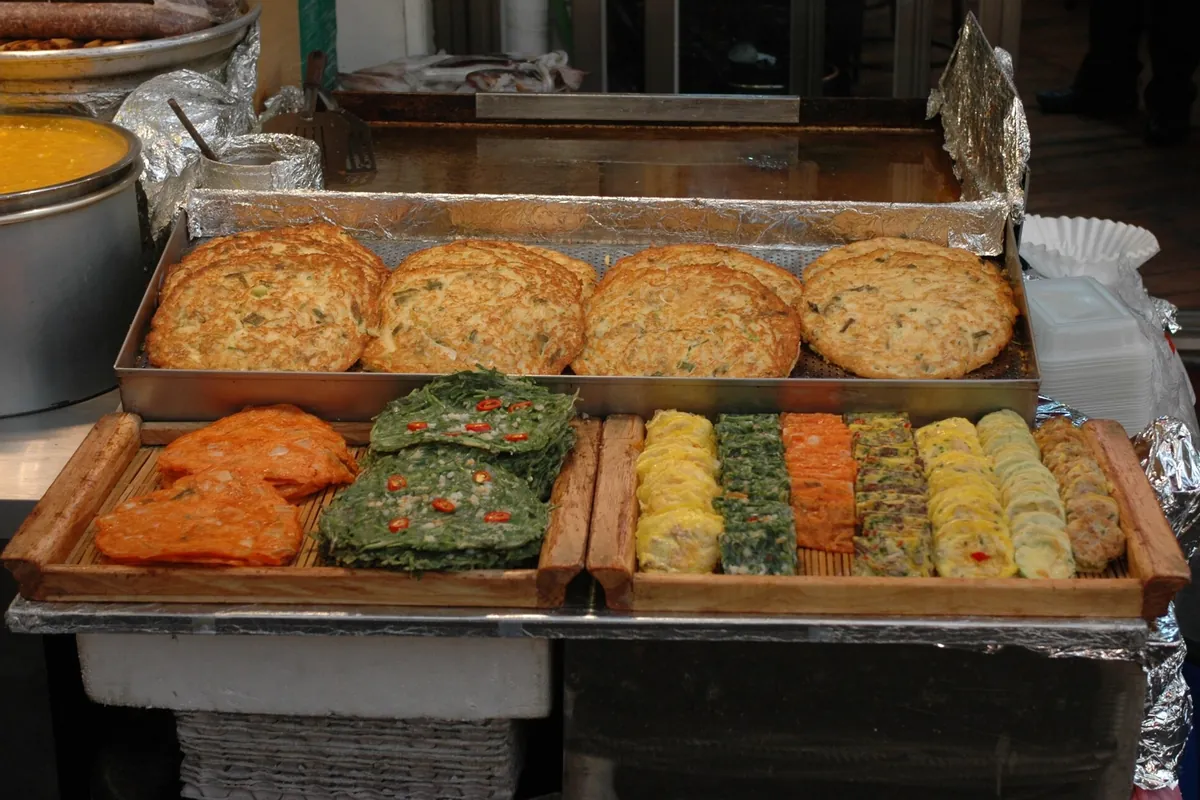
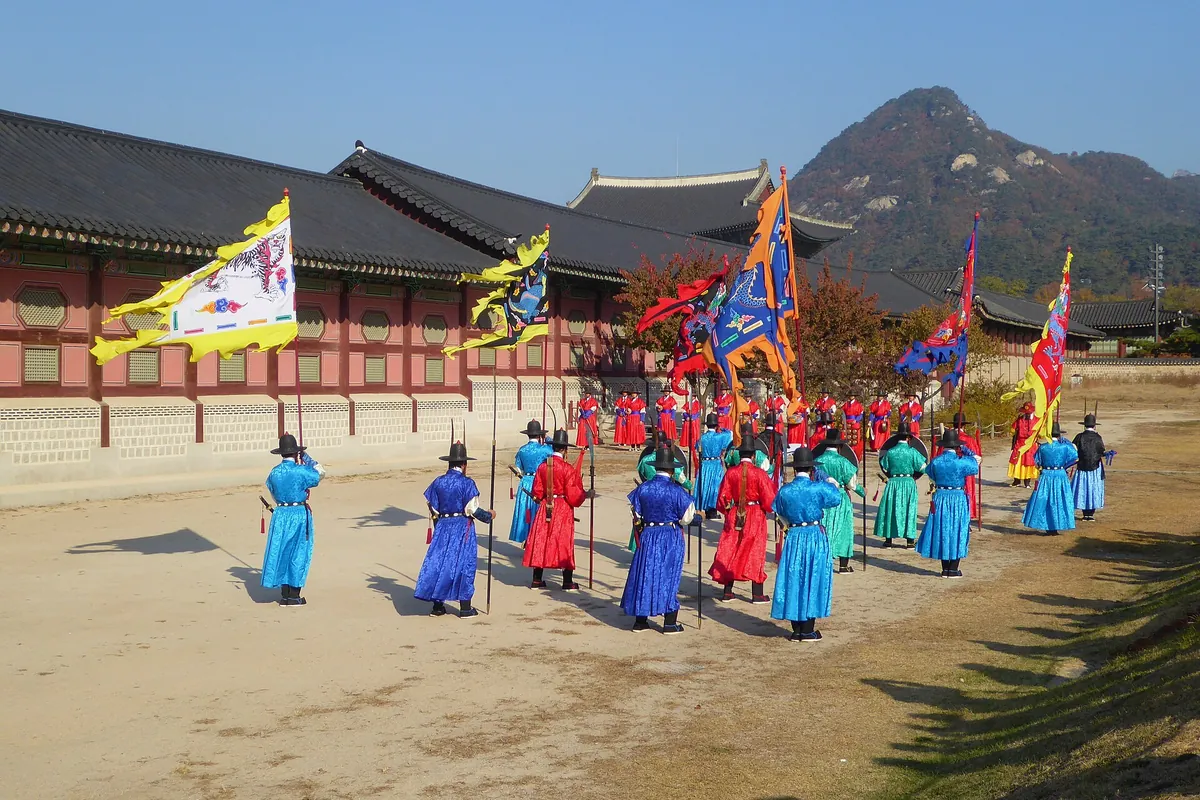
Real photographs from Wikimedia Commons of Korean martial arts, Seoul markets and streets, and the Edinburgh Fringe. None of them shows the JUMP show itself.
Guides to read next
Reading on the show, the martial arts and the night out
- Start here JUMP show in Seoul: worth it, and good for kids? Who a wordless martial-arts comedy suits, what a ticket gets you and what to check about children, access and being picked from the crowd. Read guide →
- The comparison A martial-arts comedy show or a street-food night: which Seoul evening? Sitting and laughing against walking and tasting: how these two nights differ and which one fits your party. Read guide →
- The art Taekwondo and taekkyeon: the Korean martial arts behind a comic kicking show What the two best-known Korean fighting arts are, how they differ and why kicks make such good comedy. Read guide →
- The format How a show with no dialogue works for visitors to Seoul What non-verbal comedy is, why it travels well and what to expect when nobody speaks. Read guide →
- The story From Seoul to the Edinburgh Fringe: the story of the JUMP show A Seoul stage show first performed in 2003, its award and its travels, as Wikipedia records them. Read guide →
- The plan Planning a Seoul comedy night and the days around it How to place a stage show among a palace day, a market and a day trip without overloading your trip. Read guide →
FAQ
Questions to settle before you buy
Is the JUMP show in Seoul worth the money, and is it suitable for children?
For most visitors who like physical comedy, yes. Nobody speaks, so it works in any language. Children who enjoy slapstick are the natural audience, but look for the age notes on your booking page first. The score is 4.7 from about 160 reviews.
Do I need any Korean?
Not at all. The booking page calls it a non-verbal show, and Wikipedia files it under nonverbal communication.
Will I be picked from the audience?
Reviewers note that audience members get picked on. It may happen, so tell anyone in your party who dislikes it.
Can wheelchair users get in?
Wheelchair access is listed for the ticket. Ask GetYourGuide about seating for your date.
What is the story?
The booking page says it follows the misadventures of an extraordinary family. Wikipedia adds a daughter's suitor, a drunken uncle and two bungling burglars.
What martial arts are in it?
The booking page lists no styles. Korean arts such as taekwondo and taekkyeon are good background, but treat them as context, not as a cast list.
How long does the show last?
Open a date in the calendar for its slots, and read the booking page for the running length.
Where is the theatre?
Wikipedia says the show has a private theatre in Seoul. The exact address is in your confirmation.
What are the cancellation terms?
The booking page lists free cancellation until 24 hours before the show begins; the terms for your date govern.
Is it better than a street food night?
They are different evenings. The comparison guide sets the show beside a market food tour; pick the show for laughs and the tour for eating.
Is this site affiliated with the theatre?
No. It is written independently; the theatre, its producers and the ticket seller have not seen it, and GetYourGuide handles payment.