Start here
JUMP show in Seoul: worth it, and good for kids?
Who a wordless martial-arts comedy suits, what a ticket gets you and what to check about children, access and being picked from the crowd.
Get my seats ↗Quick answer
Yes for anyone who likes physical comedy and wants a Seoul night that needs no Korean. The booking page describes a non-verbal live show of martial arts, comedy and acrobatics about an extraordinary family, valid on the date and at the time you pick. Children who love slapstick are the natural audience, though the organiser sets age rules, so look at the age notes first. Reviewers say audience members get picked on, and wheelchair access is listed.
The show at a glance
| JUMP show | |
|---|---|
| The form | Martial arts, comedy and acrobatics, with no spoken lines |
| The story | The misadventures of an extraordinary family |
| Language | None needed; the show is non-verbal |
| Access | Wheelchair access is listed |
| Audience | Reviewers note that people in the crowd get picked on |
| Since | First performed in 2003, per the English Wikipedia |
| Score | 4.7 on GetYourGuide, about 160 reviews |
| Best for | Mixed-language groups, families and slapstick fans |
| Not for | Anyone who wants dialogue, a plot to dissect or a quiet room |
Quick verdict
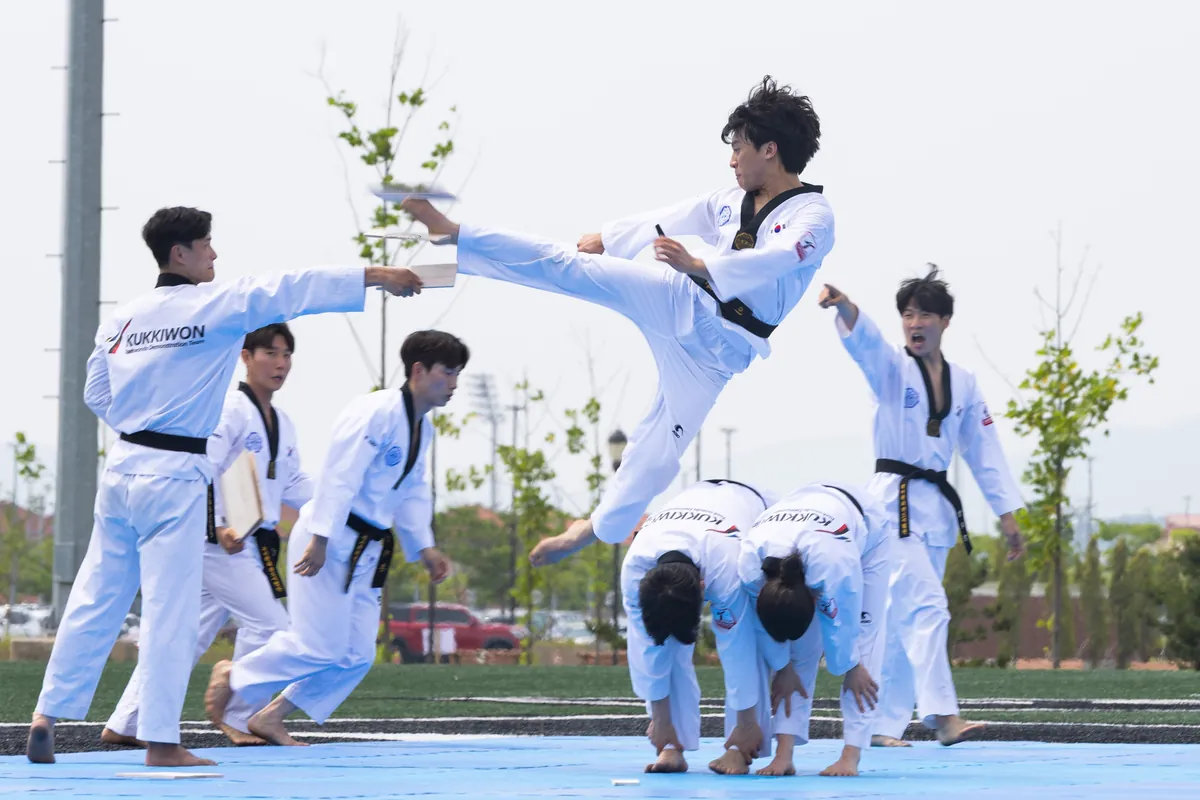
Book it when you want laughs without a language barrier. Its booking page shows 4.7 from about 160 reviews, a strong score from a modest crowd. What you are buying is slapstick built on martial arts, and the real question is whether you enjoy loud, silly, physical comedy. If you do, this is among the easiest Seoul evenings to share with a mixed group.
What the booking describes
The page calls it an internationally acclaimed live performance that combines martial arts, comedy and acrobatics and follows the misadventures of an extraordinary family. The ticket holds for the date and time you select, and wheelchair access is listed. Neither performers nor scenes are named on the page or here, since both vary.
No words, no problem
Wikipedia files the show under physical theatre and nonverbal communication. Nobody speaks, so the jokes travel through movement, timing and facial expression. That is why the audience can be so international: Wikipedia reports that more than 70 percent of the show's domestic visitors are foreigners.
The story in outline
Wikipedia's synopsis describes a Korean family in Seoul preparing for a suitor for the daughter. A drunken uncle frustrates the plan, then two bungling burglars do, and the suitor is a meek young man until his glasses are removed. The listed roles include Grandfather, Father, Mother and Uncle. Treat that as an outline of the premise, not a promise about tonight's scenes.
Is it good for kids?
A show with no dialogue suits children who cannot read or do not speak English, and slapstick is a form young audiences tend to enjoy. Age rules belong to the organiser and can differ between sellers, so find the age notes on the page for your date. Where this guide and that page disagree, trust the page.
Being picked from the crowd
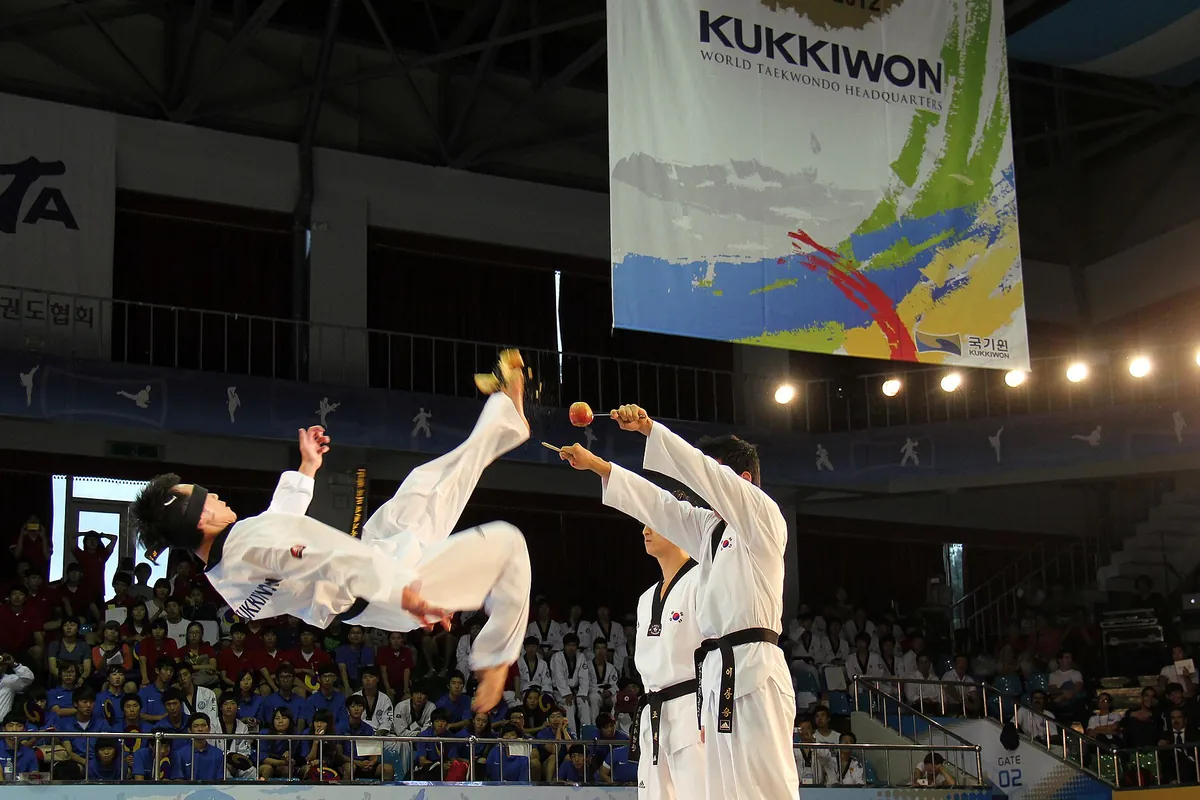
Reviewers say audience members get picked on. That is a review observation, not a guarantee, and nothing on the booking page promises it. If someone in your party would hate it, tell them the possibility exists and let them choose where to sit.
Fights without the fear
Wikipedia defines slapstick as exaggerated physical action that can include mock violence or clumsy mishaps. The name goes back to a commedia dell'arte stick that made a loud smack while transferring little force, so performers could appear to hit each other without harm. Expect the same spirit: dramatic falls and kicks that land on the laughs.
Access and seating
Wheelchair access is listed for this ticket. The organiser allocates seats and the page does not describe the layout, so if a specific position matters, write to GetYourGuide about it before you travel.
Choosing a date
The calendar shows dates with seats open and the time slots for each. Choose a slot with room for a meal either side, and hold on to the confirmation email, which restates your date and slot. This guide prints no clock times, because they change by date.
Where it is
Wikipedia says the show has a private theatre in Seoul. The exact address and any arrival notes are in your confirmation, so save it offline before you set out. This guide gives no travel times or distances, since none are published for the venue.
Cost
Multiply by your party size and compare with the total in the calendar. The full amount appears on screen before you confirm.
Who it suits
The clearest fit is a group that shares no single language: friends from different countries, a family with grandparents who speak another tongue, or colleagues on a trip. Nobody needs a translation, so nobody is left a step behind. It also suits people who like their entertainment physical, since Wikipedia places the show among physical theatre. Travellers who enjoy slapstick, silent-film comedy or acrobatics will find the whole evening speaks their language. A score of 4.7 from about 160 reviews is the booking page's own measure of how that has gone for earlier buyers.
How the picking-on works
Reviewers say audience members get picked on, and that is the only thing the sources here say about it. The booking page does not describe how someone is chosen, how often it happens or what they are asked to do. Slapstick, in Wikipedia's account, is built on exaggerated physical action and on performers who can strike each other for laughs without real injury, which suggests the tone: playful teasing rather than humiliation. Treat it as a possibility, not a feature you can book. If you would like to avoid it, the usual theatre instinct applies: sit towards the sides or back when you choose a seat, if the page lets you choose.
Seating and arrival
The booking page says the ticket is valid on the selected date at the selected time, so the slot you pick in the calendar is the one that counts. It also sets a minimum notice before the start for new bookings, which means a same-day plan needs a check rather than an assumption. It does not describe a seat map, and Wikipedia says only that the show has a private theatre in Seoul. Your confirmation carries the address. Save it offline, allow generous time to find the entrance in an unfamiliar city, and do not rely on any travel time quoted by a third party, because none is published in the sources used here.
The show as a non-verbal genre
Wikipedia lists the show under physical theatre and nonverbal communication, two labels for performance that tells its story without speech. The comic side has a long pedigree: the English Wikipedia traces slapstick to the commedia dell'arte batacchio, says Fred Karno developed dialogue-free sketch comedy in the 1890s, and credits silent-film figures such as Charlie Chaplin, Mack Sennett and Hal Roach with popularising the style. A modern show with no dialogue draws on those habits: a gesture that tells you what a character wants, a prop that goes wrong, a pause that lets the joke land. Martial arts add another vocabulary, since kicks, falls and tumbles read instantly from any seat.
What the numbers say
Wikipedia reports more than 7,000 performances and over three million tickets sold since the show was first performed in 2003, and says more than 70 percent of its domestic visitors are foreigners. A run that long means the format has held an audience, though the figures say nothing about any single night. The Edinburgh Fringe, where Wikipedia says the show won the top box-office award in 2005, is by its own description unjuried and open to any performance, so the award reflects ticket sales, not a panel's verdict. Read both as evidence of appeal, not quality.
The cast of roles
Wikipedia lists roles such as Grandfather, Father, Mother, Daughter, Uncle, Son-in-law, two thieves and an old man. They are family archetypes, which is why a wordless audience can follow who is who at a glance. No performer is named here, because casts change and the booking page promises none.
Who this isn't for
Give it a miss if you crave dialogue, a layered plot or a hushed auditorium; this is loud, physical comedy. It is also not a martial-arts demonstration in the sporting sense, so serious students of taekwondo may prefer a class. If you would rather eat than sit, the comparison guide sets the show beside a street-food tour.
Read next: A martial-arts comedy show or a street-food night: which Seoul evening?
Last checks
Open the calendar and look at the slots for your date. If children are coming, find the age notes; if you use a wheelchair, ask about seating. Keep the confirmation to hand and book the night that fits.
Frequently asked questions
Is the show worth it?
For slapstick fans and mixed-language groups, yes. The score is 4.7 from about 160 reviews.
Is it suitable for children?
It has no dialogue and plenty of physical comedy, but the organiser sets age rules, so look at the age notes on your booking page.
Is any Korean needed?
No. The show is non-verbal.
Will I be pulled on stage?
Reviewers say people in the audience get picked on, so it may happen.
Can wheelchair users attend?
Wheelchair access is listed; ask about seating for your date.
How long is it?
Check the time slot on your date; the confirmation repeats it.
Sources