The format
How a show with no dialogue works for visitors to Seoul
What non-verbal comedy is, why it travels well and what to expect when nobody speaks.
Get my seats ↗Quick answer
A non-verbal show tells its story through movement, props and timing, so you need no Korean and no subtitles. The JUMP show follows the misadventures of an extraordinary family in a mix of martial arts, comedy and acrobatics. Wikipedia files it under physical theatre and nonverbal communication.
What no dialogue means in practice
| In a non-verbal show | |
|---|---|
| Language | None needed |
| The story | Carried by movement, props and timing |
| Humour | Slapstick and visual gags |
| Subtitles | Not required |
| Audience | Mixed nationalities, according to Wikipedia's foreign-visitor figure |
The idea
A non-verbal performance dispenses with speech and lets the body carry the plot. Wikipedia's categories for the show include physical theatre and nonverbal communication. For a traveller, the practical meaning is simple: no phrasebook, no earpiece and no one left behind.
A long tradition
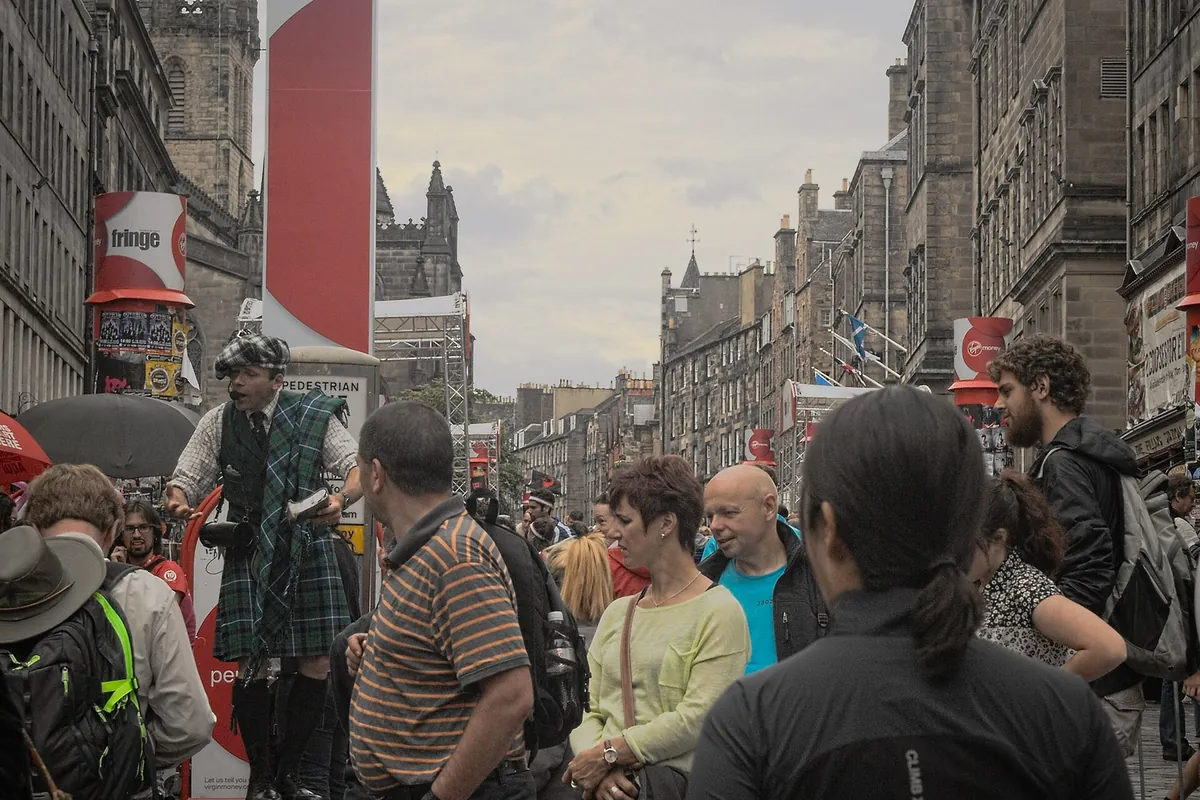
Wikipedia traces slapstick to commedia dell'arte and notes that Fred Karno developed dialogue-free sketch comedy in the 1890s, with silent-film stars making the style famous. A show in the same vein inherits timing and exaggeration from that line rather than from any script.
Why it travels
Wikipedia reports runs at the 2005 Edinburgh Fringe, where the show won the top box-office award, and later runs in London, New York, Bangkok, Hong Kong, Madrid and Singapore, among others. Shows without words can move between countries without rewriting.
What you follow
Wikipedia's synopsis sets a Korean family preparing for a suitor, a drunken uncle and two bungling burglars. The booking page says the show follows an extraordinary family. Everything else you will read in gesture, so the plot is clear even when you cannot name a single prop.
What you need to read
Only your confirmation email: the date, the time slot and the venue details. Save it offline before you go. The show itself asks for nothing from you.
Noise and mood
Non-verbal does not mean silent. Music, thuds, shouts and audience laughter are all likely, so think ahead if someone in your group dislikes loud sound.
Children
No dialogue helps children who cannot read subtitles, but age rules come from the organiser. Check the age notes on the page before bringing small ones.
Who this isn't for
Visitors who hope to hear Korean, or to follow a layered plot, will prefer a spoken play. The comparison guide shows a different kind of Seoul night.
Read next: A martial-arts comedy show or a street-food night: which Seoul evening?
Booking in brief
Pick a date in the calendar, read the slots and keep the confirmation.
Frequently asked questions
Is there any speech at all?
The booking page and Wikipedia describe a non-verbal show.
Do I need subtitles?
No.
Will the story be clear?
The premise is a family's misadventures; the comedy is physical and easy to read.
Is it loud?
Expect music and noise from the stage and the audience.
Is it right for young children?
The age notes are on the booking page; the organiser sets the rules.
Sources