The art
Taekwondo and taekkyeon: the Korean martial arts behind a comic kicking show
What the two best-known Korean fighting arts are, how they differ and why kicks make such good comedy.
Get my seats ↗Quick answer
Taekwondo is a modern Korean art built mainly on kicks; taekkyeon is an older, rhythmic one with a dance-like flow. The booking page does not list the fighting styles in the show, so both are background rather than a programme. Knowing the difference makes the kicks and tumbles easier to appreciate.
Two Korean martial arts compared
| Taekwondo | Taekkyeon | |
|---|---|---|
| Character | Kick-based, with jumping and spinning kicks aimed high | Rhythmic, knee-bending movement that looks like dancing |
| Origin | Developed in the 1940s and 1950s | Traditional; the term appears in a Joseon-era book |
| Recognition | An Olympic sparring sport since 2000 | On UNESCO's heritage list since 2011 |
| Footwork | Stances, forms and fast kicking | Triangular footwork called pumbalki |
Why this matters for the show
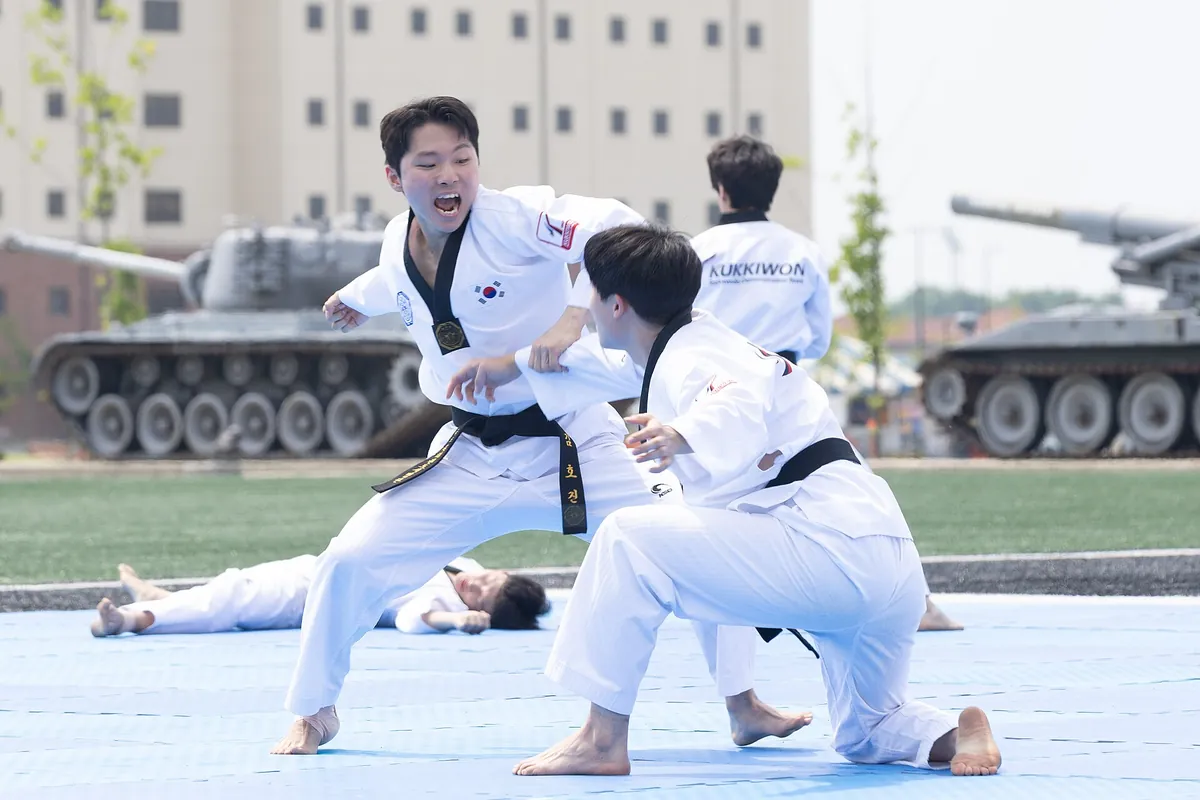
The booking page says the show combines martial arts, comedy and acrobatics but names no style. Wikipedia lists taekwondo, taekkyeon, hapkido and ssireum among Korea's best-known arts, so a Korean martial-arts comedy has plenty to draw on. This guide explains two of them; it does not claim they appear.
Taekwondo in one paragraph
Wikipedia describes it as a Korean martial art and combat sport that relies mainly on kicks, with punches as well. Its signatures include kicks aimed at the head, jumping and spinning kicks and quick kicking combinations, and practitioners wear a uniform called a dobok. It was developed in the 1940s and 1950s, and historians disagree about how much comes from karate and how much from older Korean traditions.
Taekwondo in the wider world
Sparring has been an Olympic event since 2000, after demonstration appearances in 1988 and 1992, and South Korea named taekwondo its national martial art in 2018, according to Wikipedia. Those facts explain why so many visitors recognise the high kick on sight.
Taekkyeon in one paragraph
Wikipedia calls taekkyeon a traditional Korean martial art and combat sport. Its footwork is triangular, known as pumbalki, and practitioners keep moving, bending and stretching their knees in a rhythm that gives it a dance-like look. It uses kicks, strikes, throws, trips and joint locks.
A heritage that nearly vanished
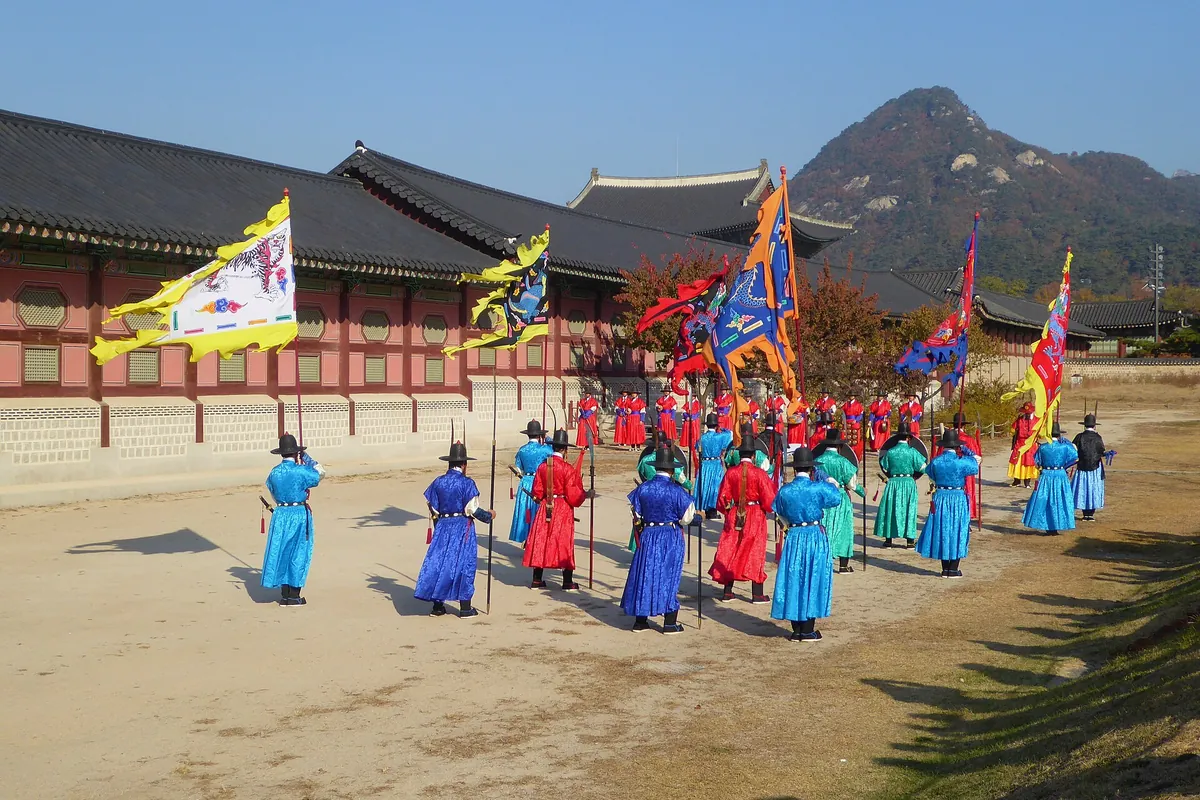
Wikipedia says the term appears in the Joseon-era book Jaemulbo and that the art was widely practised in the Joseon period before its popularity declined, and Japanese rule nearly wiped it out. After the Korean War, Song Deok-gi kept it alive. UNESCO named it intangible heritage in 2011, the first martial art so honoured.
Are they related?
Wikipedia says taekwondo's name was partly modelled on taekkyeon and that some taekwondo bodies claim ancient roots in it, but taekkyeon associations generally deny any close link and the techniques differ considerably. The safe summary is: two Korean arts, different in style.
Other Korean arts
Wikipedia's overview adds hapkido, ssireum (traditional wrestling), gungdo (archery) and kumdo (swordsmanship). It notes that tomb murals from the Goguryeo period depict wrestling and are among the earliest evidence of martial practice in Korea.
Why kicks make good comedy
Slapstick, in Wikipedia's account, rests on exaggerated physical action. A high kick that misses, a tumble that goes wrong or a mock duel played with a straight face all fit that mould, and martial arts supply the athletic vocabulary. Wikipedia credits a long line from commedia dell'arte to silent-film comedians for the dialogue-free tradition.
What to expect from the evening
Expect physical comedy built on a martial-arts skill set rather than a sports demonstration. The booking page is the authority on content, and it speaks only of martial arts, comedy and acrobatics around a family. Scenes and cast change, so go for the energy, not for a checklist of techniques.
Who this isn't for
Students who want to learn technique should look for a class or a taekwondo demonstration. This guide is background for spectators; the show is entertainment first.
Last checks
Open the calendar and look at the slots for your date. If the arts above interest you, bring the curiosity; if not, the show still works as a comedy.
Frequently asked questions
Does the show use taekwondo?
The booking page lists no styles. Taekwondo is a likely backdrop for a Korean martial-arts comedy, but it is not confirmed there.
What is taekkyeon?
A traditional Korean martial art with rhythmic, dance-like movement, listed by UNESCO as intangible heritage in 2011.
Are the two arts the same?
No. Wikipedia says taekkyeon associations generally deny a close link to taekwondo and the techniques differ considerably.
Is taekwondo old?
It was developed in the 1940s and 1950s, though some claim older roots.
Do I need to know martial arts to enjoy the show?
No. It is a comedy with no dialogue.
Sources